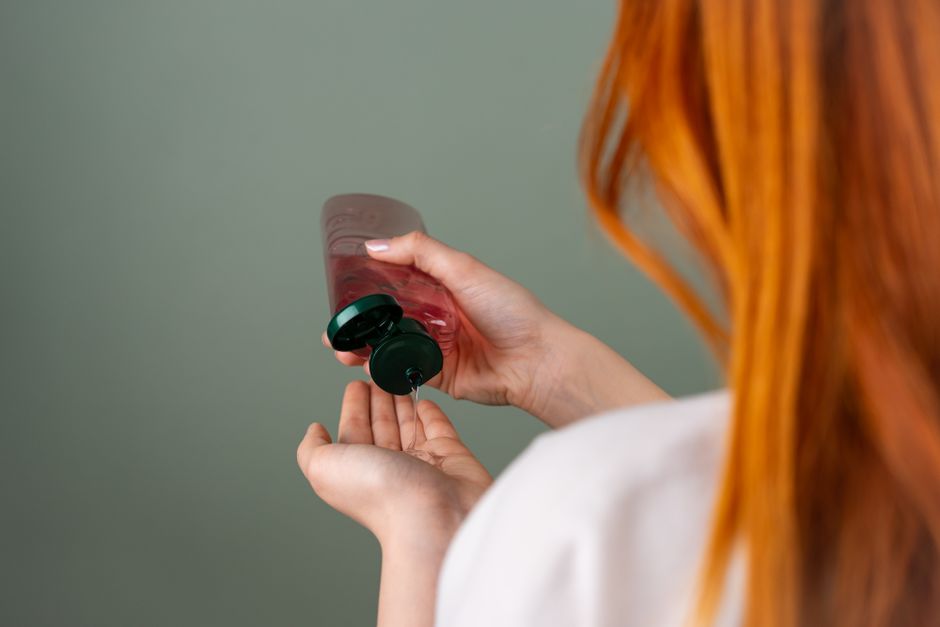
The Benefits of Using Sulfate-Free Shampoo
In recent years, the hair care aisle has seen a surge in sulfate-free shampoo options. These products are often marketed as gentler alternatives to traditional shampoos, particularly for those with color-treated hair. Understanding what sulfates are, why they are used, and how sulfate-free formulas differ can help individuals make informed decisions about their hair care routine.
This article explores the nature of sulfates, the potential benefits of avoiding them, and the factors to consider when selecting a sulfate-free shampoo. It also examines how these products interact with color-treated hair and provides guidance on evaluating ingredients and product claims. The information presented is intended to support a thoughtful approach to hair care, recognizing that individual results may vary based on hair type, water quality, and other external factors.
By delving into the science and practical aspects of sulfate-free shampoos, readers can better assess whether such products align with their personal preferences and hair care goals. The following sections outline the role of sulfates, the advantages of sulfate-free alternatives, key ingredients to look for, and considerations for color-treated hair.
Understanding Sulfates in Shampoo
Sulfates are surfactants, or surface-active agents, commonly used in shampoos and other cleansing products to remove dirt, oil, and product buildup from the hair and scalp. They work by lowering the surface tension of water, allowing it to mix with oils and lift them away. The most frequently used sulfates in shampoos include sodium lauryl sulfate (SLS) and sodium laureth sulfate (SLES). These ingredients are effective cleansers and are responsible for the rich lather that many people associate with a thorough wash.
While sulfates are efficient at cleaning, they can also strip the hair of its natural oils, potentially leading to dryness, frizz, and brittleness. For individuals with sensitive scalps or dry hair, this can be a concern. Additionally, sulfates can be harsh on color-treated hair, as they may accelerate the fading of dye molecules. This is because the same mechanism that removes oils can also cause the hair cuticle to swell, allowing color pigments to escape more easily.
It is important to note that not all sulfates are equally harsh. Some, like sodium lauryl sulfoacetate, are considered milder. However, the term “sulfate-free” typically indicates the absence of SLS, SLES, and other similarly strong sulfates. Products labeled sulfate-free often use alternative surfactants derived from coconut, corn, or other natural sources, which are generally less aggressive on the hair and scalp.
Benefits of Sulfate-Free Shampoos
Sulfate-free shampoos offer several potential advantages, especially for those with color-treated, dry, or sensitive hair. One of the primary benefits is that they are less likely to strip the hair of its natural oils, helping to maintain moisture balance. This can result in hair that feels softer and looks healthier over time. For color-treated hair, the gentler cleansing action may help preserve the vibrancy of the color for a longer period, as the hair cuticle is less disturbed during washing.
Another benefit is that sulfate-free shampoos are often formulated with additional conditioning agents, such as glycerin, plant extracts, and oils, which can further enhance hair manageability and shine. These ingredients can help detangle hair and reduce static, making styling easier. For individuals with scalp sensitivities, sulfate-free options may be less irritating, as they avoid the harsh detergents that can cause redness, itching, or flakiness.
Moreover, the growing availability of sulfate-free products means that consumers can find options tailored to various hair types and concerns. Whether hair is curly, straight, fine, or thick, there are sulfate-free formulas designed to address specific needs. This variety allows for a more personalized approach to hair care, which can be beneficial for overall hair health.
It is worth noting that while many people experience positive results with sulfate-free shampoos, individual outcomes can vary. Factors such as water hardness, frequency of washing, and the use of other hair products can influence how a shampoo performs. Therefore, it may take some experimentation to find the right product and routine.
Comparing Ingredients in Sulfate-Free Shampoos
When evaluating sulfate-free shampoos, it is helpful to understand the ingredients that replace sulfates. Common alternatives include glucosides, such as decyl glucoside and coco-glucoside, which are mild surfactants derived from coconut and sugar. These ingredients create a gentle lather and are typically well-tolerated by most hair types. Other options include sodium cocoyl isethionate, a mild cleanser derived from coconut oil, and sodium methyl cocoyl taurate, which is known for its mildness.
In addition to surfactants, sulfate-free shampoos often contain conditioning agents and botanical extracts. For example, aloe vera, chamomile, and lavender are frequently included for their soothing properties. Oils such as argan, jojoba, and coconut oil can provide moisture and help repair damage. Humectants like glycerin and honey attract water to the hair, improving hydration. Some formulas also include proteins, such as hydrolyzed wheat or silk, to strengthen the hair shaft.
It is important to read ingredient labels carefully, as some products may claim to be sulfate-free but contain other harsh detergents. Additionally, some sulfate-free shampoos may include silicones, which can build up on the hair over time and require a clarifying shampoo to remove. For those with color-treated hair, choosing a sulfate-free shampoo that is also free of silicones and other potentially stripping ingredients may be preferable.
When comparing products, consider the overall formulation rather than focusing on a single ingredient. A well-balanced shampoo will combine mild cleansers with conditioning agents to achieve effective yet gentle cleansing. Brands like Glow & Co. offer sulfate-free options that adhere to these principles, providing a range of choices for different hair types.
Considerations for Color-Treated Hair
Color-treated hair requires special care to maintain vibrancy and prevent fading. The hair cuticle, which is the outer layer of the hair shaft, becomes slightly raised during the coloring process, allowing pigments to penetrate. Over time, the cuticle can become damaged, leading to color loss. Sulfate-free shampoos can be beneficial because they are less likely to cause the cuticle to swell and release color molecules.
In addition to using a sulfate-free shampoo, individuals with color-treated hair may consider other practices to extend the life of their color. These include washing with cooler water, as hot water can open the cuticle and accelerate fading; using a color-protecting conditioner after every wash; and minimizing exposure to sunlight and heat styling tools. Some people also use a leave-in treatment or serum to provide an extra layer of protection.
It is also advisable to choose a sulfate-free shampoo specifically formulated for color-treated hair. Such products often contain UV filters and antioxidants to help shield hair from environmental damage. They may also have a lower pH, which helps seal the cuticle and lock in color. However, even with the best products, some fading is inevitable, and touch-ups may be needed periodically.
When selecting a sulfate-free shampoo for color-treated hair, look for labels that indicate the product is safe for colored hair. Reading reviews and seeking recommendations from hair care professionals can also be helpful. Keep in mind that what works well for one person may not work for another, so personal experimentation is often necessary.
Making an Informed Choice
Deciding whether to switch to a sulfate-free shampoo involves weighing the potential benefits against individual hair care needs and preferences. For those with color-treated, dry, or sensitive hair, sulfate-free formulas may offer a gentler cleansing experience that helps maintain moisture and color. However, some people may find that sulfate-free shampoos do not lather as richly or may leave hair feeling less clean, especially if they are accustomed to traditional shampoos.
To make an informed choice, consider the following steps: identify your hair type and primary concerns; read ingredient labels to understand what each product contains; and try samples or travel sizes before committing to a full bottle. It can also be helpful to consult with a hair care professional who can provide personalized guidance based on your hair’s condition and history.
Ultimately, the goal is to find a shampoo that cleanses effectively without causing undue dryness or color loss. Sulfate-free shampoos represent one option among many, and their suitability depends on a variety of factors. By staying informed and attentive to how your hair responds, you can develop a routine that supports the health and appearance of your hair.